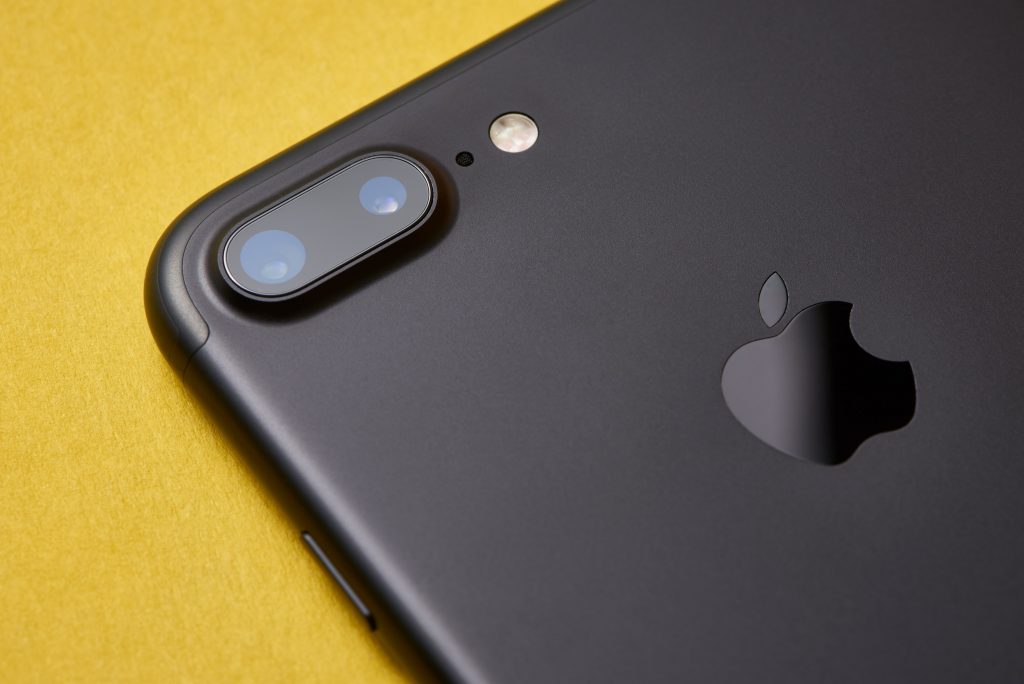
can an iphone be cloned

Can an iPhone be cloned? This is a question that many iPhone users may have pondered at some point. The idea of someone being able to replicate your device, access your personal information, and potentially use it for malicious purposes is undoubtedly unsettling. In this article, we will explore the concept of cloning an iPhone, debunking myths, providing insights, and offering tips to protect your device.
One of the pain points related to the cloning of an iPhone is the potential for unauthorized access to personal information. If someone successfully clones your iPhone, they can gain access to sensitive data such as emails, contacts, photos, and even financial information. This violation of privacy can have serious consequences, including identity theft and financial loss.
The simple answer to the question of whether an iPhone can be cloned is yes, it is possible. However, it is important to note that cloning an iPhone requires advanced technical expertise and specialized tools. The average person with limited technical knowledge would find it extremely difficult, if not impossible, to clone an iPhone successfully.
In conclusion, while it is technically possible to clone an iPhone, it is not something that the average person needs to worry about. The process requires significant technical skills and resources, making it highly unlikely that someone would target an individual iPhone user for cloning. However, it is always important to take precautions to protect your device and personal information.
Can an iPhone be Cloned: Explained
Now, let's delve deeper into the concept of cloning an iPhone. Cloning an iPhone refers to the process of creating an exact replica of the device, including its software, settings, and data. This allows the cloned device to mimic the original iPhone and potentially gain access to the owner's personal information.
It is essential to understand that cloning an iPhone is not the same as jailbreaking or unlocking. Jailbreaking an iPhone involves removing software restrictions imposed by Apple, allowing users to install unauthorized apps and make customizations. Unlocking, on the other hand, refers to removing carrier restrictions to use the iPhone with any compatible network. Cloning goes beyond these actions, aiming to replicate the entire device.
The history and myths surrounding the cloning of iPhones are intriguing. Some believe that cloning has been prevalent since the early days of mobile phones, with criminals using stolen IMEI numbers to create cloned devices. However, with advancements in technology and the implementation of stricter security measures, the prevalence of iPhone cloning has significantly decreased.
Hidden Secrets of iPhone Cloning
While the average iPhone user doesn't need to lose sleep over the possibility of their device being cloned, it is crucial to be aware of potential vulnerabilities. One of the hidden secrets of iPhone cloning is the use of malicious software, known as spyware or malware. These programs can be installed on an iPhone without the user's knowledge, allowing unauthorized access to personal information.
To protect your iPhone from potential cloning attempts, it is recommended to take several precautions. First, always keep your iPhone's software up to date by installing the latest iOS updates. These updates often include security patches that address vulnerabilities that could be exploited by hackers.
Another important step is to avoid downloading apps from untrusted sources. Stick to downloading apps from the official App Store, as Apple maintains strict guidelines and checks for security before allowing apps on the platform.
Understanding iPhone Cloning: An In-Depth Look
To truly grasp the concept of iPhone cloning, it helps to have a deeper understanding of the techniques and methods involved. Cloning an iPhone typically requires physical access to the device, as well as specialized equipment and software. The process involves extracting the device's unique IMEI number, which is used to identify the device and authenticate it with cellular networks.
Once the IMEI number is obtained, it can be used to program a new device with the same information, essentially creating a clone. However, it is important to note that this process is complex and requires expert knowledge in mobile phone technology.
Tips to Protect Against iPhone Cloning
While the chances of your iPhone being cloned are relatively low, it's always better to be safe than sorry. Here are some tips to protect your device against potential cloning attempts:
- Enable strong passcodes and Touch ID/Face ID to prevent unauthorized access to your device.
- Regularly back up your iPhone to iCloud or iTunes to ensure you have a copy of your data in case of loss or theft.
- Be cautious when connecting to unknown Wi-Fi networks, as they can be used as entry points for hackers.
- Keep your iPhone's software updated to the latest version to benefit from security patches and improvements.
Exploring the Fun Facts of iPhone Cloning
Did you know that the concept of cloning is not limited to iPhones alone? Cloning has been a topic of interest across various sectors, including agriculture, genetics, and even technology. The idea of creating an exact replica or duplicate has fascinated scientists, enthusiasts, and innovators for centuries.
How to Prevent iPhone Cloning
While you cannot entirely eliminate the risk of iPhone cloning, you can take steps to minimize the likelihood of falling victim. Here are some strategies to prevent iPhone cloning:
- Secure your device with a strong passcode or biometric authentication.
- Avoid sharing personal information or sensitive data with untrusted sources.
- Regularly review and update your privacy settings on your iOS device.
- Enable two-factor authentication for your Apple ID to add an extra layer of security.
What If Your iPhone Is Cloned?
If you suspect that your iPhone has been cloned or compromised, it is essential to take immediate action. Here are the steps to follow:
- Contact your mobile carrier and report the issue.
- Change all passwords associated with your Apple ID, email accounts, and any other online services.
- Reset your iPhone to factory settings to remove any potentially malicious software.
- Monitor your financial accounts and credit reports for any suspicious activity.
Listicle: Protecting Your iPhone from Cloning
Here is a list of recommendations to protect your iPhone from cloning:
- Update your iPhone's software regularly.
- Avoid connecting to unsecured Wi-Fi networks.
- Enable a strong passcode or biometric authentication.
- Be cautious of phishing attempts and avoid sharing personal information with unknown sources.
Questions and Answers
Q: Can anyone clone an iPhone?
A: Cloning an iPhone requires advanced technical expertise and specialized tools, making it unlikely for the average person to successfully clone an iPhone.
Q: How can I protect my iPhone from being cloned?
A: To protect your iPhone, ensure you have a strong passcode or biometric authentication, keep your software updated, and avoid downloading apps from untrusted sources.
Q: What should I do if I suspect my iPhone has been cloned?
A: If you suspect your iPhone has been cloned, contact your mobile carrier, change your passwords, reset your device to factory settings, and monitor your financial accounts for any suspicious activity.
Q: Is iPhone cloning illegal?
A: Yes, iPhone cloning is illegal in most countries as it involves unauthorized access to someone's personal information. Privacy laws protect individuals from such activities.
Conclusion of Can an iPhone be Cloned
In conclusion, while it is technically possible to clone an iPhone, it is not a common occurrence for the average user. iPhone cloning requires advanced technical knowledge and specialized tools, making it unlikely for the average person to successfully clone an iPhone. By following recommended security practices and being cautious of potential threats, you can significantly reduce the risk of falling victim to iPhone cloning. Remember to keep your device updated, use strong authentication methods, and remain vigilant when it comes to sharing personal information.